Putney Man Shares Story of the Loss of His Wife
Richard Cyster talks about bereavement for International Widows Day
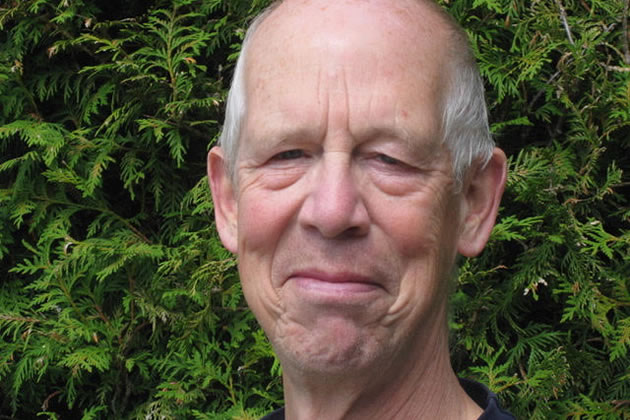
Picture: Richard Cyster
June 15, 2026
A Putney-born grief counsellor who spent a decade helping others prepare for death has spoken publicly for the first time about the sudden loss of his own wife, saying that no amount of professional experience could have prepared him for becoming a widower.
Richard Cyster, 78, who now lives in Harrogate, is sharing his story as part of The Widowed Collective’s #WidowedAndForgotten campaign, launched ahead of International Widows Day on 23 June. The campaign aims to highlight the loneliness and isolation many widows and widowers face long after the initial shock of bereavement.
Richard met his wife Margaret in 2007 through a local book club. Both had been married before, and together they built a life filled with family, walking holidays, shared interests and the quiet contentment of a couple looking forward to growing old side by side. They married in 2010.
That future ended without warning on the morning of 7 February this year. Richard had just taken a cup of tea back to bed when he heard a loud crash downstairs. He found Margaret collapsed in the hallway. She had suffered a catastrophic subarachnoid haemorrhage — a major bleed on the brain.
She was rushed to hospital and later transferred to Leeds for specialist neurological care, but doctors quickly confirmed there was little they could do. Margaret died six days later, on 13 February, aged 76.
“There was absolutely no warning,” Richard said. “Margaret had been to ballet that week, gone to two bridge clubs, and was making plans as normal. One minute life is carrying on as usual and the next everything you thought was certain disappears.”
During those final days, Margaret’s children, grandchildren and wider family gathered at her bedside. Although she briefly regained consciousness, she never fully recovered. Richard remembers one fleeting moment of clarity when she opened her eyes and asked whether she had remembered to put petrol in the car. “Hearing her voice meant the world to us,” he said.
Knowing their time was short, Richard suggested holding “a little party” in her honour. The family played her favourite music, shared stories and celebrated her life. In one tender gesture, he dipped a swab in wine so she could have a final taste of her favourite drink. “It sounds unusual, but it felt right for Margaret,” he said. “We wanted those final days to be filled with love and laughter, not just the fact she was dying.”
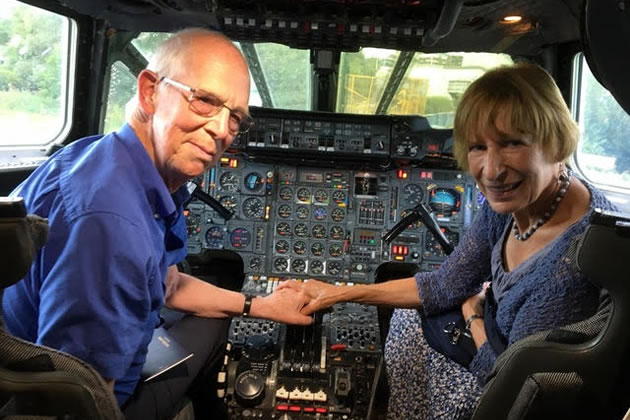 Richard with his wife Margaret. Picture: Richard Cyster
Richard’s background meant he was more prepared than most for the practical realities of death. After retiring, he trained as a grief counsellor at a local hospice and spent ten years supporting bereaved families. He also created a U3A course called Going Gently, helping people plan for end-of-life decisions, wills and funerals.
Remarkably, just hours after Margaret died, he still delivered one of his scheduled sessions — on funeral planning. “I was running entirely on adrenaline,” he said. “I thought I understood grief because I had supported so many bereaved people. But understanding grief intellectually and experiencing it yourself are two completely different things.”
Years earlier, he and Margaret had discussed her wishes in detail and prepared powers of attorney and advance decisions. When the ambulance arrived, Richard immediately retrieved a hospital bag they kept under the stairs containing everything doctors might need. “That preparation gives me comfort,” he said. “I know the decisions made reflected Margaret’s wishes, not assumptions made by others.”
Four months on, Richard describes widowhood as “a completed jigsaw thrown into the air, with one piece missing right in the middle”. He says The Widowed Collective has been a lifeline. “They understand there is no timetable for grief and that widowhood changes your life forever.”
He hopes sharing his story will encourage others to talk openly about death and wishes while they still can. “None of us like talking about it, but those conversations can make an incredibly difficult time just a little easier for the people we leave behind.”
Natalie Bolton, co-founder of The Widowed Collective, said Richard’s experience reflects what many widowed people feel. “No matter how much experience someone has of grief, nothing truly prepares you for losing your life partner. Through #WidowedAndForgotten, we want to challenge misconceptions about widowhood and remind people that support and connection remain vital long after the immediate aftermath.”
The Widowed Collective provides free peer-to-peer support, practical guidance and community events for people who have lost a life partner. More information about the campaign and how to join can be found at www.TheWidowedCollective.com.
Value Reading Articles Like This? Help Us Produce More This site remains committed to providing local community news and public interest journalism. Articles such as the one above are integral to what we do. We aim to feature as much as possible on local societies, charities based in the area, fundraising efforts by residents, community-based initiatives and even helping people find missing pets. We've always done that and won't be changing, in fact we'd like to do more. However, the readership that these stories generates is often below that needed to cover the cost of producing them. Our financial resources are limited and the local media environment is intensely competitive so there is a constraint on what we can do. We are therefore asking our readers to consider offering financial support to these efforts. Any money given will help support community and public interest news and the expansion of our coverage in this area. A suggested monthly payment is £8 but we would be grateful for any amount for instance if you think this site offers the equivalent value of a subscription to a daily printed newspaper you may wish to consider £20 per month. If neither of these amounts is suitable for you then contact info@neighbournet.com and we can set up an alternative. All payments are made through a secure web site. One-off donations are also appreciated. Choose The Amount You Wish To Contribute. If you do support us in this way we'd be interested to hear what kind of articles you would like to see more of on the site – send your suggestions to the editor. For businesses we offer the chance to be a corporate sponsor of community content on the site. For £30 plus VAT per month you will be the designated sponsor of at least one article a month with your logo appearing if supplied. If there is a specific community group or initiative you'd like to support we can make sure your sponsorship is featured on related content for a one off payment of £50 plus VAT. All payments are made through a secure web site. |