Fleur Anderson Backs Votes for 16 and 17-year-olds
Supporting new bill which will also restrict foreign donations to politicians
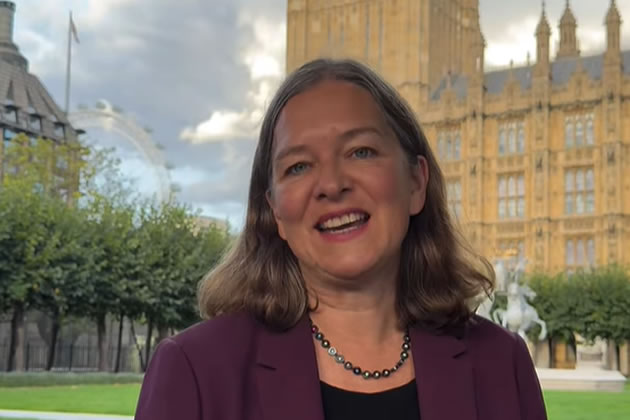 Fleur Anderson returned to Parliament this week
September 4, 2026
Fleur Anderson, the MP for Putney, has backed a major new law aimed at keeping foreign money out of British politics and giving 16 and 17-year-olds the vote for the first time. The Representation of the People Bill, debated in the Commons this week, marks one of the most significant expansions of the franchise in a generation and introduces new safeguards designed to protect UK elections from overseas influence.
Ms Anderson said the reforms were essential to restoring trust in the democratic system. “Giving 16 and 17-year-olds the vote is a major step forward for our democracy. Young people deserve a say in the decisions that will shape their lives and their future,” she said. She added that strengthening democracy also meant protecting it from outside interference: “British elections should be decided by British voters – not by whoever can write the biggest cheque.”
Her comments come amid growing scrutiny of foreign-based donors who have made large contributions to UK political parties. Ms Anderson highlighted recent examples, including Elon Musk’s interventions in British politics and multimillion-pound donations from Thailand-based cryptocurrency investor Christopher Harborne, who gave Reform UK £9 million in 2025 and a further £3 million in March 2026. Harborne also gave Nigel Farage a £5 million personal gift in 2024. Anderson said she supported “stronger safeguards against foreign influence and proposals to stop overseas-based individuals using their wealth to influence our elections.”
The Bill, introduced in February and now at Report Stage and Third Reading, contains a wide range of reforms. Alongside extending the vote to 16 and 17-year-olds, it includes measures to modernise campaign spending rules, strengthen protections for candidates and voters, update regulations on digital campaigning, and make it easier for people to register to vote. It also proposes new powers for the Electoral Commission and tougher sanctions for electoral offences, including those involving hostility towards people involved in elections.
Ms Anderson has also backed calls for a National Commission on Electoral Reform, arguing that democracy “should be more representative, and it should belong to the people who live here and have a stake in Britain’s future.”
The Bill’s supporters say it will help modernise the UK’s electoral system and close loopholes that allow foreign-based individuals to exert disproportionate influence. Critics, meanwhile, are expected to challenge aspects of the reforms during the Bill’s passage through Parliament.Like Reading Articles Like This? Help Us Produce More This site remains committed to providing local community news and public interest journalism. Articles such as the one above are integral to what we do. We aim to feature as much as possible on local societies, charities based in the area, fundraising efforts by residents, community-based initiatives and even helping people find missing pets. We've always done that and won't be changing, in fact we'd like to do more. However, the readership that these stories generates is often below that needed to cover the cost of producing them. Our financial resources are limited and the local media environment is intensely competitive so there is a constraint on what we can do. We are therefore asking our readers to consider offering financial support to these efforts. Any money given will help support community and public interest news and the expansion of our coverage in this area. A suggested monthly payment is £8 but we would be grateful for any amount for instance if you think this site offers the equivalent value of a subscription to a daily printed newspaper you may wish to consider £20 per month. If neither of these amounts is suitable for you then contact info@neighbournet.com and we can set up an alternative. All payments are made through a secure web site. One-off donations are also appreciated. Choose The Amount You Wish To Contribute. If you do support us in this way we'd be interested to hear what kind of articles you would like to see more of on the site – send your suggestions to the editor. For businesses we offer the chance to be a corporate sponsor of community content on the site. For £30 plus VAT per month you will be the designated sponsor of at least one article a month with your logo appearing if supplied. If there is a specific community group or initiative you'd like to support we can make sure your sponsorship is featured on related content for a one off payment of £50 plus VAT. All payments are made through a secure web site. |