The Forgotten Story of Britain's First Migraine Clinic in Putney
Medical historian wants to hear from people treated at Clarendon Drive
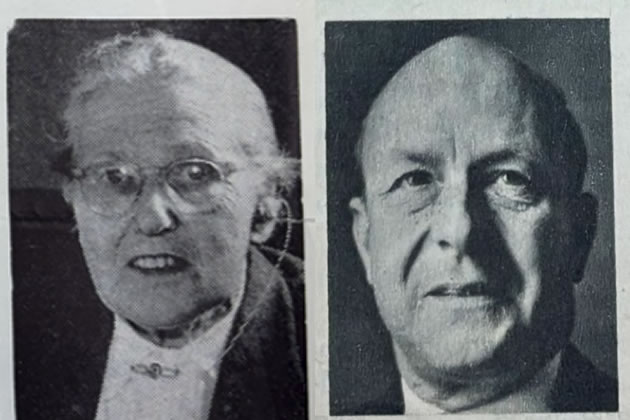
Left: Eileen Lecky. Right: Dr Nevil Leyton. Picture: Supplied by Dr Mark Weatherall
July 27, 2026
It is a little-known fact that the first dedicated migraine clinic in the United Kingdom was not founded in Harley Street or a major London teaching hospital, but in a quiet corner of Putney in 1952. The Putney Migraine Clinic, established by local philanthropist Eileen Lecky, was a pioneering venture that placed the treatment of headaches and migraine at the centre of community medicine long before the condition was widely understood.
Lecky, whose name now graces the Eileen Lecky Health Centre on Clarendon Drive, invited Harley Street physician Dr Nevil Leyton to lead the clinic. Dr Leyton was experimenting with a novel hormone-based therapy for migraine, and early reports claimed striking success rates. The clinic quickly gained attention, with questions even raised in Parliament about why the NHS was not adopting its model more widely.
Throughout the 1950s, the Putney clinic flourished, offering hope to patients who had often been dismissed or misunderstood elsewhere. Its work helped to shift perceptions of migraine from a vague complaint to a legitimate neurological condition requiring specialist care. The clinic’s influence extended beyond Putney: its success inspired the creation of headache charities and government-funded research programmes that continue to shape treatment today.
After Eileen Lecky ’s death and Dr Leyton ’s retirement in the 1960s, the clinic continued for a few years before closing in the early 1970s. Yet its legacy endures — not only in the name of the health centre but in the broader history of British medicine.
Neurologist and historian Dr Mark Weatherall, who is researching the clinic’s story, believes it deserves far greater recognition. “The story of the Putney Migraine Clinic holds a unique place within the history of headache in the UK,” he says. “Its success led to the establishment of headache charities and government-funded research, which have ensured that its legacy endures to the present day.”
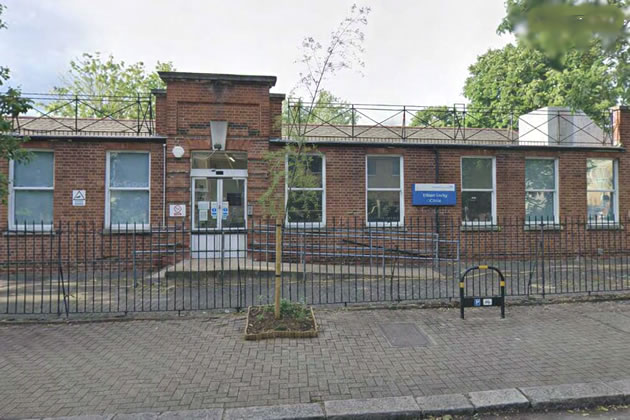
The Eileen Lecky Clinic
Dr Weatherall is now seeking memories from anyone who was treated at the clinic or remembers Eileen Lecky and Dr Leyton. Those who attended in their twenties or thirties could well be in their eighties today — and, he hopes, headache-free.
Anyone with recollections or records of the clinic can contact Dr Mark Weatherall at mark.weatherall@doctors.org.uk.
Like Reading Articles Like This? Help Us Produce More This site remains committed to providing local community news and public interest journalism. Articles such as the one above are integral to what we do. We aim to feature as much as possible on local societies, charities based in the area, fundraising efforts by residents, community-based initiatives and even helping people find missing pets. We've always done that and won't be changing, in fact we'd like to do more. However, the readership that these stories generates is often below that needed to cover the cost of producing them. Our financial resources are limited and the local media environment is intensely competitive so there is a constraint on what we can do. We are therefore asking our readers to consider offering financial support to these efforts. Any money given will help support community and public interest news and the expansion of our coverage in this area. A suggested monthly payment is £8 but we would be grateful for any amount for instance if you think this site offers the equivalent value of a subscription to a daily printed newspaper you may wish to consider £20 per month. If neither of these amounts is suitable for you then contact info@neighbournet.com and we can set up an alternative. All payments are made through a secure web site. One-off donations are also appreciated. Choose The Amount You Wish To Contribute. If you do support us in this way we'd be interested to hear what kind of articles you would like to see more of on the site – send your suggestions to the editor. For businesses we offer the chance to be a corporate sponsor of community content on the site. For £30 plus VAT per month you will be the designated sponsor of at least one article a month with your logo appearing if supplied. If there is a specific community group or initiative you'd like to support we can make sure your sponsorship is featured on related content for a one off payment of £50 plus VAT. All payments are made through a secure web site. |